Learning Resources
This Resources Hub is a dedicated space for us to share Dharug resources with our community. Here, we gather a variety of learning materials, stories, and insights designed to deepen your connection to Ngurra (Country) and our stories


Dharug Storytelling
Explore our gathering of learning resources, designed to share the deep history and contemporary vibrancy of Dharug culture through visual narrative and community insight.
Ngara badu
A deep dive into the traditional techniques that define Darug artistic heritage.
Dyarubinwa midyini dyruali
Understanding the narrative paths that connect our community to Country.
Budyari naami nurawa
How art bridges the gap between elders and the new generation of custodians.
Bayala is an Aboriginal organisation focused on reviving and promoting the Dharug language (Dharug Dhalang). It works with community members and the public to rebuild language knowledge that was disrupted after colonisation.
Learn to count in Dharug
This website introduces Dyarubbin (the hawkesbury river) from a Dharug perspective. Additionally shows that the river is central to Dharug culture, spritiuality and identity
Marri Yuru Gunalung
This project is a series of self-guided audio walks along the Dyarubbin (hawkesbury river), which shares stories at 11 different locations, which covers Aboriginal culture, colonial history, environment and community life.
This is a language learning app created by Bayala to support Dharug language, including words, sentences, and pronunciation. Including audio, images and grammar.
Yanmala provides Aboriginal cultural education programs, working with schools and all organisations. Teaching Dharug cultural awareness and connection to Country.
This site (modern teaching aids) provides educational resources and tools for teachers and schools. Focuses on improving learning experiences and teaching methods through curriculum-aligned materials and digital tools. Including books from Leanne and Rhiannon.
Dharug Books
Available from bookshops
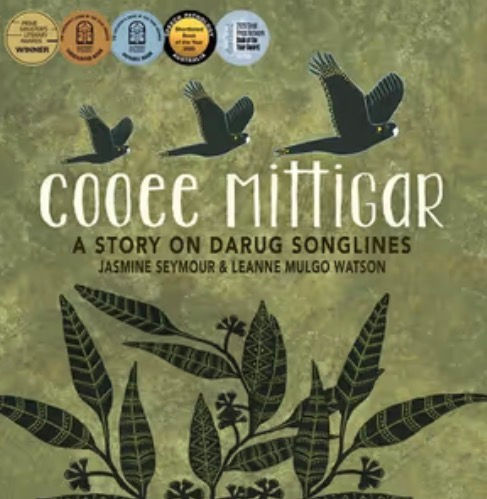
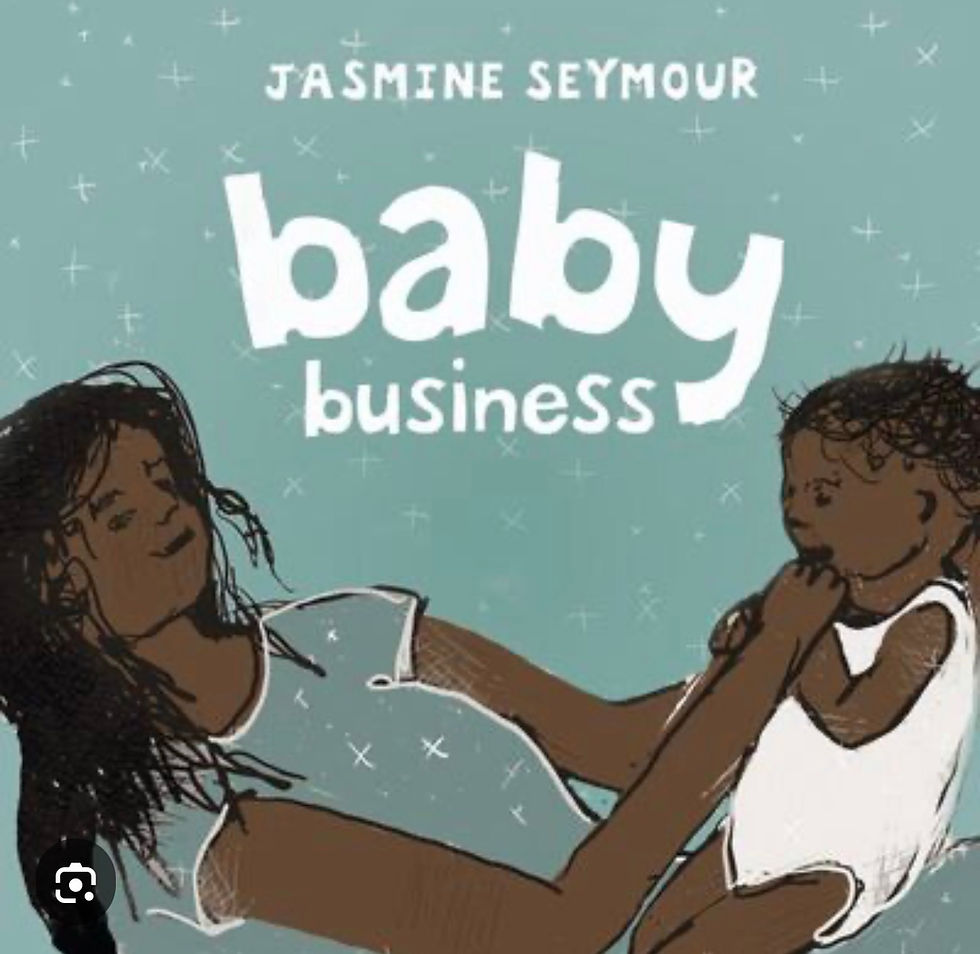

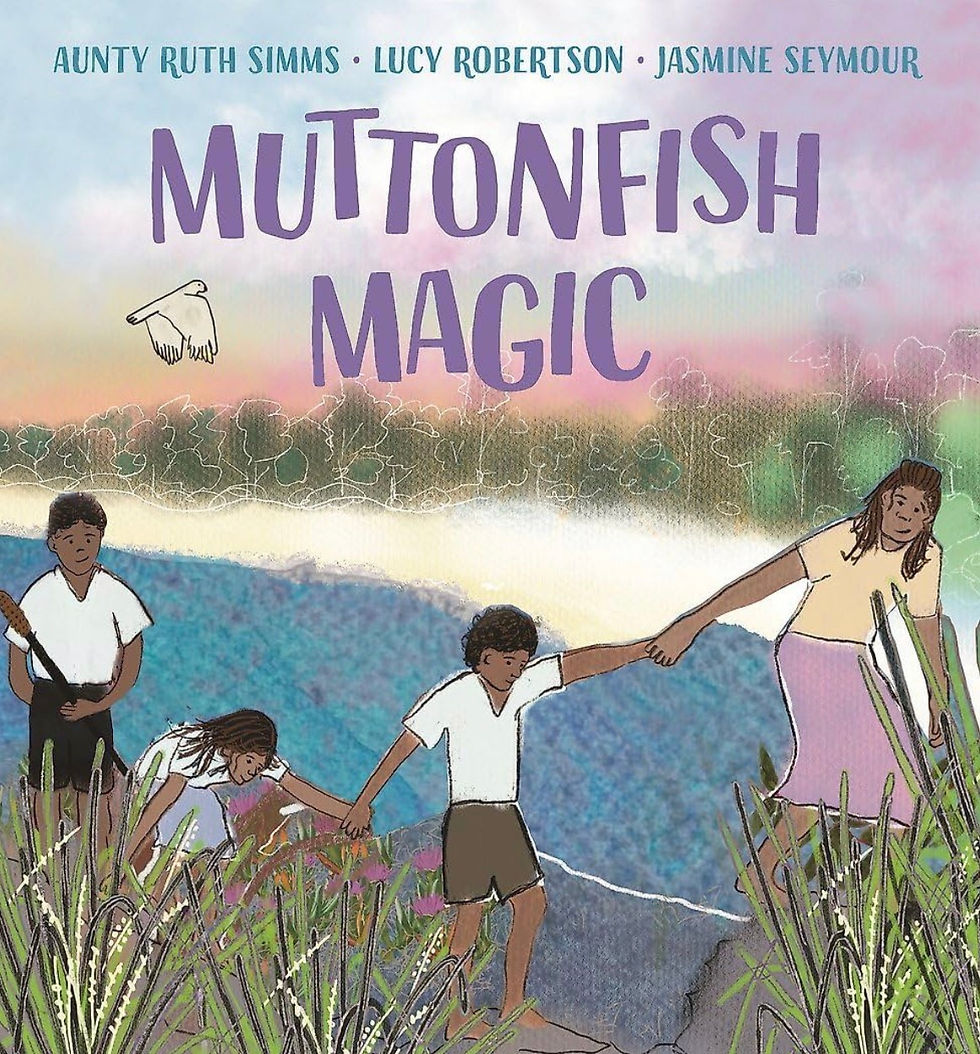


Dharug books available from MTA


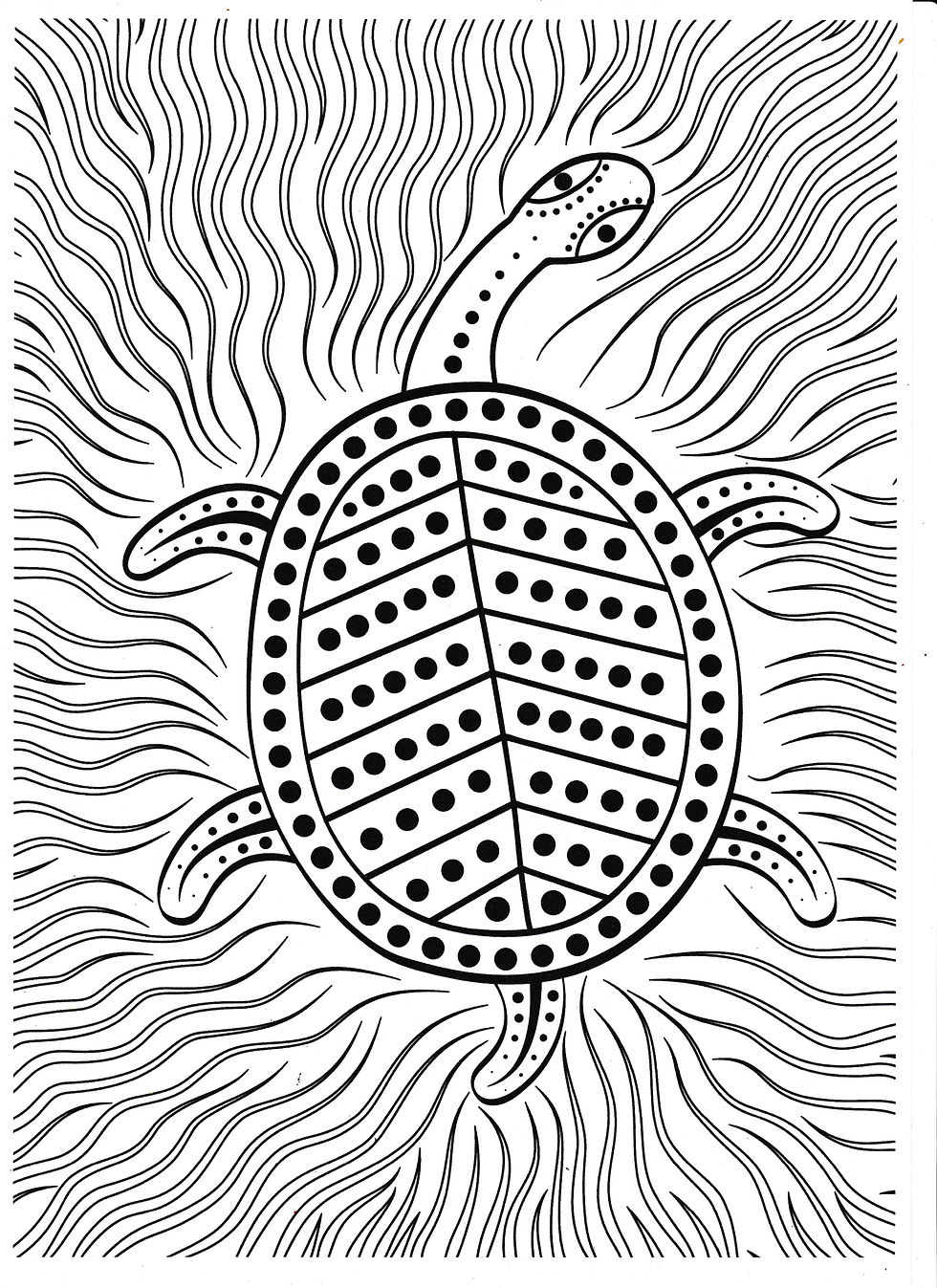
Colouring pages
Downloadable





Before colonisation, Australia was home to over 250 Aboriginal and Torres Strait Islander languages, with many more localised ways of speaking (dialects) within each language. Dharug, the language of the Sydney region, was the first Aboriginal language to be extensively recorded by Europeans, such as William Dawes in his notebooks. Because Dharug Country includes where the British colony was first established in 1788, Dharug people and language were among the first to feel the devastating impacts of invasion, dispossession and colonisation. Today, Dharug language revitalisation is an important act of cultural strength, healing and truth-telling.
Dharug language is the language of the Sydney area. It belongs to Dharug people and is being strengthened through careful and caring community-led work.
teachers and students should use only the words, meanings and pronunciations provided in the book or approved Dharug teaching resources on the Bayala website. Recordings of Dharug language in Sleeping in the land and other language content are available on the Bayala website and in the Bayala app. Teachers and students should not make their own transactions, invent Dharug words or sentences, or use Dharug language in public performance without guidence.
If exploring more about the Dharug language and Aboriginal Sydney, teachers and students will encounter terminology that may be confusing. Here is a quick overview to help navigate it!
Dharug
The Dharug language has also been called "the Sydney language" by researchers because it is well-documented that there was one traditional language spoken in the Sydney area. Dharug people prefer their own language name but recognise the respectful intent behind "Sydney language".
It is also well-documented that the Dharug (Sydney) language had some regional variation ("accents" or "dialects"). some people have also used "Dharug" to refer to just one of these varieties, the more inland one, spoken with the consonant cluster accent, which says ngiyindi "you" rather than the nasal pronunciation ngiyini.
As is the case with other aboriginal language names (as well as the words of their languages), the name "Dharug" has been written in many ways over the years, including Darug, Dharuk, Dharook, etc. This is the result of people doing their best to write the language when they were just learners themselves and before a practice unified spelling system was settled on for representing the sound system of the Dharug language.
Eora (also in the phrase "Eora nation")
This is an englished version of the Dharug word yiyura '(Aboriginal) people'. It was made popular by Fred McCarthy from the Australian Museum in the 1960s as a way of referring to the Dharug-speaking people of Sydney, using their own language. Over subsequent years, the term Eora has been applied in many different ways, which can obscure the original meaning of yiyura.
One contemporary use of "Eora" which you may come across is to refer to one of the variants of the Dharug language (or "dialects","accents"): it is also sometimes described as the "coastal variety". Bayala, an Aboriginal organisation focused on Dharug language revival, refers to this accent as the "nasal" one. Bayala focusses on a pronunciation difference, and avoids the geographic term, because it was spoken in areas that many would not consider coastal.
+gal worlds(like Burubiranggal, Gadigal etc)
These Dharug words refer to people who are living in particular areas. They are based on the world building suffix +gal DWELLER, a word-building ending in the Dharug language. The DWELLER suffix is tacked onto a place to mean 'people living in that place'. Sometimes these groupings of people are called "clans". These +gal words do not mean different language varieties or languages, although this is sometimes (wrongly) assumed. But +gal can be used for any dweller in any place, even for example 'tears' en the eye: miigal, literally 'eye dweller', is the Dharug word for 'tear'. People living in Sydney are all Sydney-gal 'Sydney siders'.